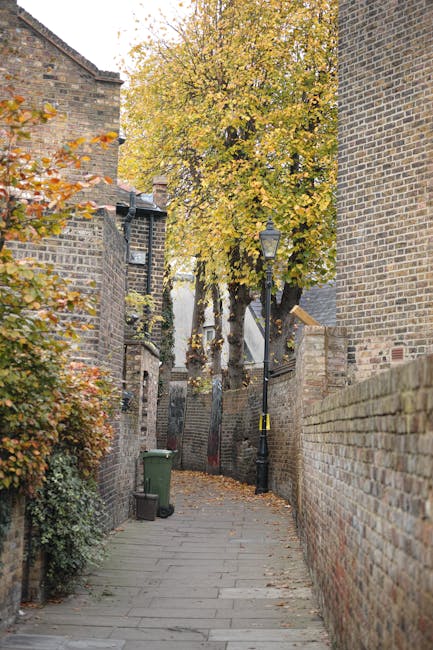
Harrow on the Hill House Removals Guide for Tight Streets: A Practical Local Moving Plan
Moving home in Harrow on the Hill can feel straightforward on paper and then, quite suddenly, very not straightforward in real life. Tight roads, parked cars, awkward corners, older properties, steep approaches, and neighbours who quite reasonably want their street kept clear can all complicate a move. This Harrow on the Hill house removals guide for tight streets is written to help you plan sensibly, avoid the usual bottlenecks, and make the day feel a lot less chaotic.
If you are moving from a terraced house, a converted period property, a flat above a shop, or a home with limited turning space, the details matter. The good news? With the right preparation, a well-chosen vehicle, and a mover who understands local access issues, even a tricky street can be managed smoothly. In our experience, the difference is often not brute force. It is planning. Simple as that.
Below, you will find a practical step-by-step approach, real-world tips, common mistakes, and a useful checklist you can keep nearby on moving day. If you are still comparing moving support, you may also find it helpful to look at the broader house removals in Harrow service, the wider removal services overview, or the company's guidance on insurance and safety.
Quick practical note: tight streets are not just a vehicle problem. They affect timing, packing, loading order, lifting safety, and even how you label boxes. That is why a local, street-aware plan tends to beat a generic moving checklist every time.
Why Harrow on the Hill House Removals Guide for Tight Streets Matters
Harrow on the Hill is lovely, but it is not always easy. The area's charm often comes with older layouts, narrower access routes, and roads that were never designed for today's larger removal vehicles. If you have ever watched a van edge slowly around a bend while someone ducks a wing mirror, you will know exactly what we mean.
This matters because access issues can affect almost every part of the move:
- Vehicle choice: a large lorry may not fit or may struggle to turn safely.
- Loading time: if the van must park further away, carrying distances increase.
- Neighbour relations: a blocked road or noisy bottleneck can create avoidable tension.
- Property protection: walls, railings, steps, and narrow gates need extra care.
- Stress levels: once one thing runs late, everything can start to feel rushed.
That is why a proper moving plan for tight streets is not just a nice extra. It is a practical necessity. If you are selling or buying locally, it can also help to think about the move in the wider context of the area; the local scene is discussed in this guide to Harrow's local character, which gives a useful sense of how varied the neighbourhood can be.
For many households, the biggest win is simply reducing uncertainty. You cannot control every parked car on the street, fair enough, but you can control the booking time, the packing approach, the vehicle size, and the communication with your movers. That alone changes the day quite a lot.
How Harrow on the Hill House Removals Guide for Tight Streets Works
At its simplest, a tight-street move is about matching the removal plan to the road conditions. The process usually starts before moving day with a survey or phone assessment. A good mover will want to understand the property type, the size of your load, parking access, staircases, and any restrictions near the property. Sometimes they will ask about turning space, nearby junctions, or whether a smaller vehicle would be wiser than a standard removal van.
Then comes route and access planning. That means thinking about where the vehicle can park, how close it can get to the front door, and whether items need to be carried by hand for a short distance. On streets where parking is tight, the loading sequence becomes important too. The most useful items may be loaded last so they are easier to access first at the other end.
There is also a timing element. Early morning collections often work better on busier residential roads, before parking gets busy and before local traffic builds. That said, timing should suit the street, the building, and your own schedule. There is no magic hour that fits every move.
For people moving from flats or smaller homes nearby, you may also want to compare flat removals in Harrow and man and van support. Those options can be especially useful where access is tight and a full-size truck would be overkill. Truth be told, using the wrong vehicle is one of the fastest ways to turn an ordinary move into a long afternoon.
Key Benefits and Practical Advantages
A good plan for a narrow-street move does more than help the van park. It can improve the whole experience.
- Less carrying distance: keeping the vehicle close to the entrance saves time and effort.
- Lower damage risk: fewer turns, fewer reverses, fewer chances to clip kerbs or walls.
- Smoother neighbour handling: polite, well-timed loading reduces complaints and friction.
- Better item protection: short, controlled carries are easier on fragile furniture.
- More realistic scheduling: an access-aware move is less likely to overrun.
There is also a mental benefit that people often underestimate. When you know the plan matches the street, the whole move feels less improvised. You are not guessing. You know where boxes go, which entrance to use, and roughly how the van will position itself. That makes a surprisingly big difference on the day.
If you are comparing providers, it can help to look at the company's overall approach too. Some readers prefer to start with the wider removals in Harrow page and then narrow down to specific services such as man with a van in Harrow or removal van hire, depending on the property access and load size.
| Move option | Best for | Strength on tight streets | Things to watch |
|---|---|---|---|
| Large removal lorry | Big family homes with good access | Efficient if parking is easy | May struggle with narrow turns or limited stopping space |
| Mid-size removal van | Typical house moves in residential roads | Balanced capacity and manoeuvrability | May need more than one trip for larger loads |
| Man and van service | Smaller loads, flats, quick local moves | Very flexible in tight streets | Less capacity; packing needs to be disciplined |
| Storage-assisted move | Staggered completions, decluttering, delays | Useful when the property cannot be cleared in one go | Requires extra planning and coordination |
Who This Is For and When It Makes Sense
This guide is especially useful if you live on or near one of Harrow on the Hill's narrower residential roads, in a period property with limited frontage, or in a flat where access is shared, awkward, or heavily parked. It also helps if you are moving into a property with steep steps, a long path, a side entrance, or a layout that makes large furniture hard to manoeuvre.
Typical readers include:
- Homeowners moving from terraced or semi-detached houses on tight roads
- Renters leaving flats with limited lift access or stair-only entrances
- Families moving larger furniture, fragile items, or a mix of boxes and bulky pieces
- Anyone trying to avoid traffic delays, parking headaches, or rushed loading
- People with special items such as pianos, artwork, or heavy wardrobes
If that sounds like you, it is worth thinking a little more strategically than "book a van and hope for the best". A calm, measured approach pays off. And if your move is part of a bigger decision about the area, the local housing and lifestyle context is explored in this local opinion piece on living in Harrow and the more property-focused guide to Harrow property investment.
Sometimes the best fit is a compact local team, especially if the job is straightforward but the road access is awkward. Other times, the better choice is a fuller removal crew with experience handling timing, packing, and access on the same day. It depends. Annoying answer, perhaps, but true.
Step-by-Step Guidance
Here is a practical order to follow if you want the move to run more smoothly in a tight-street setting.
1. Check access early
Look at the road with a practical eye. Where can a van stop safely? Is there room to turn? Are there parked cars that usually stay put until midday? If possible, take photos on your phone. Even a quick walk outside with a tape measure can help later.
2. Choose the right vehicle size
Smaller is not always worse. In narrow streets, a slightly smaller vehicle can save a huge amount of time. A good mover should help you balance capacity against manoeuvrability. If you are moving only a few rooms, a compact option may be the sensible one.
3. Book the right timing
Try to avoid periods when the road is likely to be busiest. Early starts often work well, especially where parking is competitive. That said, factor in your own building access rules, lift slots, and completion timing if you are buying and selling on the same day.
4. Declutter before packing
The less you move, the easier the day becomes. Tight access and excessive volume are a poor match. If you have items you no longer need, consider recycling, donating, or putting them into temporary storage in Harrow before moving day.
5. Pack for fast unloading
Label boxes by room and priority. A box marked "kettle, mugs, charger" will help more than one marked "miscellaneous kitchen things". Trust me, on the first night, that kettle matters. Keep essentials together in a clearly visible bag or box.
6. Protect entry points and fragile surroundings
Narrow hallways, stone steps, railings, and doorway corners are common pinch points. Use door protectors, furniture blankets, and floor coverings where appropriate. If the property has a awkward step or an uneven surface, tell the team in advance.
7. Load in the right order
Heavier, less urgent items generally go in first. Essentials and fragile items need a sensible plan, not a shove-and-stack approach. A little discipline here saves a lot of faff later.
8. Keep communication active on the day
Make sure someone can be contacted if the van cannot park exactly where expected. A quick call can save a long delay. Small things matter: the difference between "near the front" and "two doors down" can alter the unloading rhythm completely.
Expert Tips for Better Results
These are the details people often miss, especially if they have moved in more spacious suburbs before and assume the same approach will work here.
- Pre-plan the lift carry: if there are stairs, think about who will guide larger items from top and bottom.
- Use colour-coded labels: especially helpful if you have several rooms and a lot of boxes.
- Measure large furniture: wardrobes, beds, sofas, and dining tables should be checked against door widths and turns.
- Keep a "last off" box separate: documents, chargers, snacks, basic tools, and toiletries should be easy to reach.
- Prepare neighbours politely: a brief heads-up can reduce complaints and awkwardness.
One small but useful trick: if the street is especially tight, ask the mover how they prefer the van to be positioned before arrival. Some teams work better with a staged unload, where one person manages the doorway and another handles the vehicle. It sounds obvious, but sometimes the obvious thing is the thing nobody says out loud.
If you are moving something awkward or valuable, such as a piano or a heavy upright cabinet, it is worth checking specialist support such as piano removals in Harrow and furniture removals help. Those services are especially relevant where tight access and delicate handling both matter.
Common Mistakes to Avoid
Most moving problems in tight streets are preventable. Here are the ones that show up again and again.
- Booking a vehicle that is too large: it can cause parking delays, awkward reversing, and unnecessary stress.
- Ignoring access photos: assumptions do not help when the road is narrower than expected.
- Leaving packing too late: rushed packing leads to lost items and poor box labelling.
- Forgetting the final carry: even a short extra distance becomes tiring with heavy boxes.
- Not clearing parking space where possible: if you can arrange it properly and lawfully, it can make a real difference.
- Overfilling boxes: small mistakes become back pain very quickly.
- Not warning the removal team about special items: fragile, oversized, or high-value items need advance notice.
One of the sneakiest mistakes is underestimating how long the job will take. A road that adds just ten extra minutes of carrying time can ripple through the whole day. Suddenly the completion schedule feels tight, the parking slot disappears, and everyone starts moving a little too fast. Not ideal.
If you want to avoid the worst of that, compare service levels carefully. Some people do fine with a straightforward small van move, while others need the fuller backup of a more complete removals service. There is no shame in choosing the option that actually fits the street.
Tools, Resources and Recommendations
Having the right tools does not make a difficult street easy, but it does make it manageable. A few well-chosen items can save time and reduce damage.
- Furniture blankets: protect surfaces and reduce scratching.
- Transit straps: useful for stabilising loads in the van.
- Labels and markers: simple, but genuinely helpful.
- Trolley or sack truck: ideal for heavier boxes if the route is reasonably smooth.
- Door and floor protection: especially useful in older properties with characterful but fragile finishes.
- Phone camera: great for documenting access points, parking conditions, and any pre-existing marks.
It is also worth checking the mover's wider support pages before booking. A useful starting point is the company's packing and boxes guidance, especially if you want to improve box strength and reduce breakages. And if your move may involve a waiting period, delayed completion, or downsizing logistics, storage options can be a practical bridge.
For peace of mind, review the business's trust pages too. The details on terms and conditions, payment and security, and the company's about us page can tell you a lot about how they work. It is not the glamorous part of moving, but it matters.
Law, Compliance, Standards, or Best Practice
Moving home in the UK does not usually involve heavy regulation in the way some industries do, but there are still sensible standards and legal considerations to keep in mind.
Parking and road access: if a vehicle needs to stop on a public road, it should do so lawfully and safely. Where special permissions, loading rules, or temporary arrangements are needed, they should be handled carefully and in line with local requirements. If you are unsure about a specific street or restriction, it is better to check rather than assume.
Health and safety: good movers should follow practical lifting, carrying, and load-securing procedures. The company's health and safety policy is worth reviewing if you want to understand their approach. So is their page on insurance and safety, especially for higher-value items or properties with difficult access.
Data and customer information: if you are filling in quotes or booking forms, it is sensible to check the privacy policy. Nobody loves reading policies, let's face it, but they are useful.
Ethical supply chain: if you are the sort of customer who likes to choose responsibly, the company's modern slavery statement and recycling and sustainability page can provide reassurance about broader business standards.
One more thing: if a mover offers same-day help, it can be useful, but only if the access details are realistic. A fast service still needs safe access. Speed without planning is just hurried chaos in a van.
Options, Methods, or Comparison Table
Different moves call for different methods. Below is a simple comparison to help you think clearly about which approach suits your street, your load, and your timeline.
| Method | Best use case | Pros | Limitations |
|---|---|---|---|
| Full house removal team | Larger family moves with multiple rooms | Structured, efficient, less manual strain for you | May still need access planning if the road is very tight |
| Man and van | Smaller or medium loads, local moves | Flexible, often easier in narrow streets | Less capacity, may need more packing discipline |
| Part-load or staged move | When the property is not ready all at once | Good for split deliveries or timing gaps | Requires more coordination |
| Move plus storage | Delayed move-in dates or downsizing | Reduces pressure on the moving day itself | Extra handling and planning needed |
For many Harrow on the Hill streets, the sweet spot is a smaller, well-organised removal van rather than a very large vehicle. That is not always true, of course, but often enough to be worth saying plainly. The right choice is the one that suits the road, not the one that sounds most impressive.
Case Study or Real-World Example
Consider a typical local move: a two-bedroom period flat near a narrow residential road, with street parking already in heavy use by mid-morning. The property has a couple of tight turns at the entrance, a short flight of stairs, and a sofa that looked perfectly manageable in the living room but less so when it met the hallway.
The moving plan that worked well in this kind of situation was simple:
- The team arrived early, before the street got busier.
- A smaller vehicle was used instead of a larger lorry.
- Boxes were clearly labelled by room, with essentials separated.
- Fragile items were packed last and unloaded carefully first.
- One person stayed in contact in case the parking position had to shift slightly.
There was still a little shuffling. There always is. But the move stayed controlled, and that was the point. No one was rushing a mattress around a blind corner while muttering under their breath. Which, to be fair, is usually a good sign.
This kind of job is exactly where a local, street-aware team earns its keep. If you are checking what else the company handles, you might also look at office removals in Harrow for commercial moves or student removals for smaller, faster jobs. Different needs, different pressures.
Practical Checklist
Use this checklist a few days before the move, then again on the morning of moving day.
- Confirm the vehicle size suits the street and the property access.
- Take photos of the road, entrance, steps, and any tight corners.
- Tell the movers about stairs, narrow gates, or awkward parking.
- Label all boxes clearly by room and priority.
- Pack a essentials box with chargers, kettle items, medication, and documents.
- Protect furniture with blankets or covers where needed.
- Check the route from van to front door for trip hazards.
- Make arrangements for storage if there is a gap between moving out and moving in.
- Review the quote, payment details, and any booking conditions in advance.
- Keep your phone charged and easy to access on the day.
Key takeaway: if you plan access early, choose the right vehicle, and pack in a way that matches the street, tight roads become much less intimidating. Not easy, maybe. But manageable. And that is a very different feeling.
Conclusion
Moving house in Harrow on the Hill is rarely just about boxes and a van. It is about access, timing, street layout, neighbour awareness, and making good decisions before the pressure starts. Tight roads can slow a move down, but they do not have to derail it.
The main lesson is simple: plan around the street, not around an idealised version of the street. Measure where you can, choose the right vehicle, pack with purpose, and work with a mover who understands local conditions. That is how you keep control of the day without turning it into a small drama.
If you are ready to compare options or want advice tailored to your property, start by exploring the full services overview and then reach out for a tailored discussion. A short conversation now can save a lot of hassle later.
Get a free quote today and see how much you can save.
And if the street feels a bit too narrow at first glance, don't panic. With the right preparation, it usually works out better than you expect. Step by step.
Frequently Asked Questions
What makes Harrow on the Hill difficult for house removals?
The main challenges are narrow roads, limited parking, older property layouts, and sometimes steep or awkward access points. Those factors can slow loading and unloading if they are not planned for properly.
Should I choose a large removal lorry or a smaller van for tight streets?
It depends on the street and the size of your move, but smaller or mid-size vehicles are often easier to manage in narrow roads. A larger lorry may work if there is plenty of access, but that is not always the case locally.
How far in advance should I book a removals company?
As early as you can, especially if your road has difficult access or your move date is tied to a completion. Early booking gives you more time to assess parking, vehicle size, and packing needs.
Do movers need photos of the property or street?
Photos are very helpful. They give the moving team a clearer picture of the entrance, steps, road width, and any tight bends or obstacles. A few quick phone photos can prevent a lot of guesswork.
What if there is nowhere to park close to the house?
That is exactly the kind of issue a good mover should factor in before the day. They may suggest a smaller vehicle, a different loading approach, or a timed arrival to improve parking chances.
Is a man and van service enough for a move in Harrow on the Hill?
Often yes, especially for smaller homes, flats, or lighter loads. For larger households or more complex moves, a fuller removal service may be better. The right choice depends on volume, access, and timing.
What should I pack separately for moving day?
Keep essentials like phone chargers, medication, basic toiletries, important documents, snacks, kettle items, and a change of clothes in a clearly marked box or bag. That one box can save a lot of scrambling later.
Can storage help if my move is delayed?
Yes. Storage can be a sensible bridge if completion dates do not align, if you are downsizing, or if you want to move in stages. It reduces pressure on the moving day itself.
How do I protect furniture in a narrow hallway or doorway?
Use blankets, covers, and careful handling, and make sure the route is clear before anything bulky is moved. Tight spaces often cause damage at corners, so extra care there pays off.
What if my building has stairs and no lift?
Tell the movers in advance. Stairs change the pace of the job and affect how items should be lifted and carried. This is especially important for heavy or fragile furniture.
Can I get a same-day removal if the street is very tight?
Possibly, but access must still be realistic. Same-day help works best when the team knows the road layout and the load size before they arrive. Fast does not mean unplanned.
How do I compare removal companies properly?
Look at more than price. Check whether they understand local access issues, what services they offer, and whether their trust pages, safety information, and booking terms are clear. A well-run move is usually the one that has been thought through properly.